Pressure Washing Concrete: DIY Rental vs Hiring an Expert
Concrete driveways, sidewalks, patios, and pool decks take a beating in Richmond. Humid summers, mild but damp winters, heavy tree cover, and red clay soil all leave their mark on concrete surfaces. Over time, you may notice black mildew streaks, green algae, rust-colored stains, oil spots, and a general layer of gray grime. Pressure washing is the most effective way to restore these surfaces, but homeowners face a common question: should you rent a machine and do it yourself, or hire a professional?
This guide breaks down the real costs, risks, equipment differences, and results of each approach so you can make an informed decision for your Richmond property in 2026.
Why Concrete Gets Dirty So Quickly in Richmond
Richmond's climate is ideal for biological growth. High humidity, frequent rain, and shaded lots under mature oaks, maples, and pines create persistent moisture on concrete. Concrete is porous, so spores from algae, moss, and mildew settle into microscopic pores and grow. Add pollen in spring, leaf tannins in fall, and clay soil tracked or washed onto slabs, and surfaces can look aged well before their time.
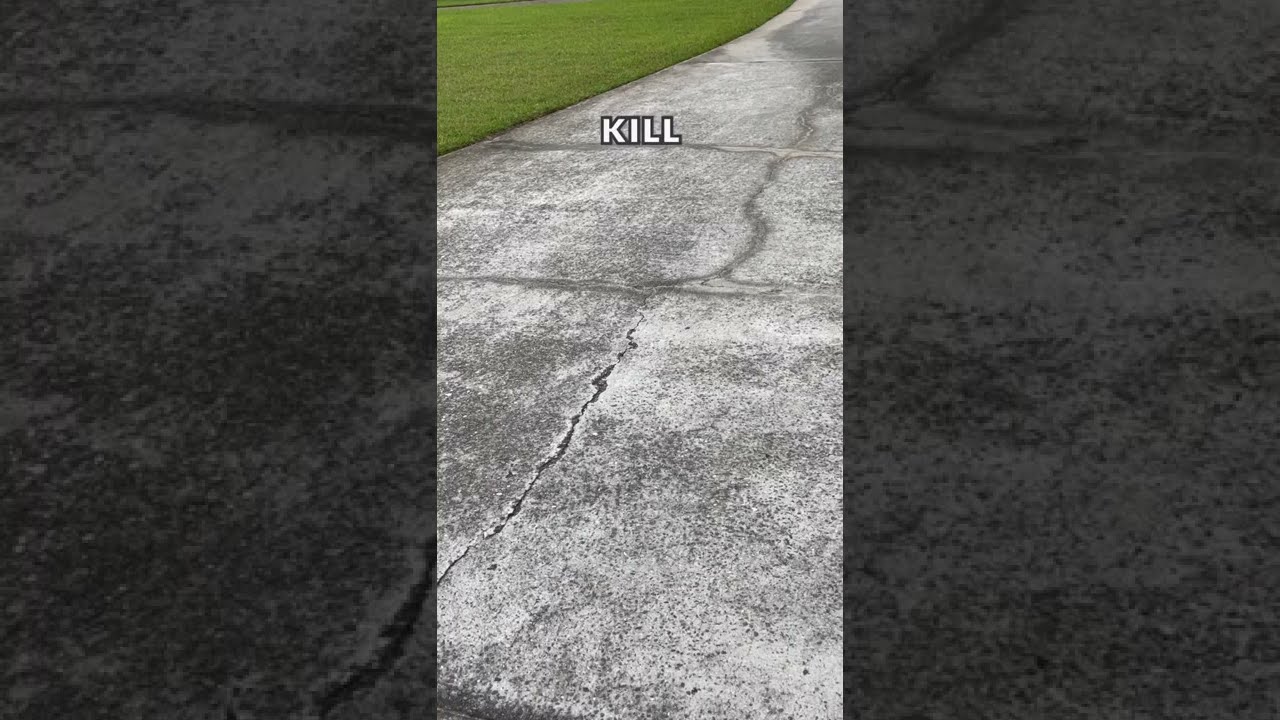
Beyond appearance, this buildup matters for safety and longevity. Algae-covered concrete becomes slippery, and trapped moisture can accelerate surface wear, especially during freeze-thaw cycles that occasionally occur in central Virginia winters.

Understanding Pressure Washing vs. Power Washing
The terms pressure washing and power washing are often used interchangeably. Technically, pressure washing uses high-pressure water at ambient temperature, while power washing uses heated water along with pressure. Heated water is particularly effective on grease, oil, and gum. Most consumer rental machines are cold-water units, while many professional rigs offer hot-water options for tough concrete stains such as garage-front oil drips or restaurant dumpster pads.
The DIY Rental Option
What You Can Expect to Pay
Rental pricing in the Richmond area varies by store and machine size, but typical costs look like this:
- Light-duty electric or small gas units (1,500 to 2,800 PSI): roughly $40 to $70 for a half day
- Mid-range gas units (3,000 to 3,500 PSI): roughly $70 to $110 for a half day, often $100 to $150 for a full day
- Surface cleaner attachments: often an additional $20 to $40
- Detergents, degreasers, and concrete cleaners: typically $15 to $40 depending on the amount
For a standard two-car driveway, a DIY project often totals $100 to $200 once you include the rental, attachments, and cleaning products, plus your own time and fuel.
Advantages of Renting
The biggest benefit is cost for small, straightforward jobs. If you have a small patio or a short walkway with light dirt, a rental can be a sensible choice. You also control the schedule and can work at your own pace.
Drawbacks and Risks of DIY
Rental machines are capable of damaging concrete when used incorrectly. Common problems include:
- Wand marks and striping: Using a straight-tip nozzle without a surface cleaner often leaves visible lines, known as "zebra striping," that can be more noticeable than the original dirt.
- Surface etching: Holding a high-pressure tip too close can remove the cream layer of concrete, exposing aggregate and creating a rough, uneven texture.
- Joint damage: Blasting expansion joints and sealant can loosen filler material and allow weed growth.
- Splash-back and property damage: Spray can strike siding, windows, landscaping, or vehicles, and can force water behind siding or into door seals.
- Personal injury: High-pressure water can cause serious lacerations and injection injuries. Gas-powered units also create kickback and noise concerns.
Time is another factor. Without a surface cleaner, a typical driveway can take several hours of tedious wand work. Learning proper technique on your own driveway is a costly way to practice.
Hiring a Professional Pressure Washing Company
Typical Professional Pricing in Richmond
Professional pricing is usually based on square footage, surface condition, and accessibility. Many companies charge roughly $0.15 to $0.35 per square foot for concrete cleaning, with minimum service fees often between $100 and $175. A standard driveway may range from about $125 to $300, while larger patios, pool decks, or heavily stained surfaces cost more. Actual quotes vary, so request an itemized estimate.
What Professionals Bring
- Commercial-grade equipment: Higher flow rates (measured in gallons per minute) clean faster and more effectively than many rentals, often with hot-water capability.
- Surface cleaners: Rotating flat-surface tools deliver even, streak-free results across large slabs.
- Professional-grade solutions: Commercial sodium hypochlorite mixes, degreasers, and rust removers are applied at proper dilution rates for effective biological and stain removal.
- Experience with stain identification: Oil, rust, fertilizer, and organic stains each require different treatments.
- Insurance and accountability: A reputable company carries liability insurance to cover accidental damage.
Water Runoff and Environmental Considerations
Richmond sits within the Chesapeake Bay watershed, and stormwater that enters street drains flows untreated to local waterways, including the James River. Cleaning solutions, oil, and sediment https://pressurecleaningrichmond.com.au/tennis-court-cleaning/ should not be allowed to wash freely into storm drains. Professionals familiar with local expectations often use mitigation practices such as berms, wet vacuums, and biodegradable products where appropriate. Homeowners doing their own work should be mindful of runoff, especially when using degreasers or bleach-based cleaners. Check current City of Richmond and Virginia guidelines on discharge if you are unsure.
Comparing DIY and Professional Results
The difference is usually most visible on large, heavily soiled, or stained areas. Professionals typically achieve a uniform finish, remove embedded organic growth at the root, and treat stains with the right chemistry. DIY results can be good on lightly soiled surfaces, but uneven cleaning and surface damage are real risks for first-timers.
Many Richmond homeowners also find value in bundling services. Combining driveway cleaning with house washing, walkway cleaning, and even roof cleaning can lower per-service costs and ensure the whole property looks consistent. Note that roof cleaning should generally be left to professionals. Asphalt shingles require low-pressure soft washing, since high pressure strips protective granules and shortens roof life. Pressure from a rental unit should never be used on shingles.
Tips if You Decide to DIY
- Sweep and pre-wet the surface. Remove leaves and debris, and protect nearby plants by wetting them first.
- Choose the right equipment. Rent a 3,000 to 3,500 PSI unit with a surface cleaner attachment. Avoid a zero-degree red tip on concrete.
- Apply a concrete cleaner or degreaser. Let it dwell according to label directions, but do not let it dry on the surface.
- Work in overlapping, consistent passes. Keep a steady distance and speed to prevent striping and etching.
- Rinse thoroughly. Direct runoff toward grass or landscaped areas where permitted, and avoid sending chemicals into storm drains.
- Let it dry, then evaluate. Stains often look different once the concrete dries. Spot-treat as needed.
- Wear protective gear. Use closed-toe boots, eye protection, hearing protection, and gloves.
Sealing After Cleaning
Once concrete is clean and fully dry, usually after 24 to 48 hours, consider applying a quality concrete sealer. Sealing reduces moisture absorption, slows mildew regrowth, and makes future cleaning easier. In Richmond's humid climate, resealing every two to three years is common, depending on the product and sun exposure. Professionals often offer sealing as an add-on service, which can ensure proper surface preparation and even application.
How Often Should Concrete Be Cleaned?
For most Richmond properties, cleaning concrete once every one to two years keeps buildup under control. Shaded areas, properties near wooded lots, and homes with irrigation overspray may need annual attention. Regular maintenance is generally less expensive and less aggressive than restoring neglected concrete.
Which Option Is Right for You?
Renting can make sense if you have a small, lightly soiled surface, are comfortable with equipment, and have the time. Hiring a professional is the better choice when you have a large driveway, stubborn oil or rust stains, delicate surfaces such as stamped or decorative concrete, or if you want a bundled exterior cleaning that includes house washing or roof cleaning. When you factor in your time, the risk of damage, and the quality of results, the price gap between DIY and professional service is often smaller than it first appears.
Choosing a Reputable Richmond Pressure Washing Provider
When comparing companies, ask about:
- Proof of liability insurance and any applicable licensing
- Equipment types, including surface cleaners and hot-water capability
- Methods for protecting landscaping and managing runoff
- Written estimates with clear pricing and scope
- Local references, reviews, and before-and-after examples
- Whether they use soft washing for roofs and delicate surfaces
Whether you rent equipment or hire a pro, understanding the process helps you protect your concrete investment. Proper pressure washing restores curb appeal, improves safety, and extends the life of your surfaces, keeping your Richmond home looking its best into 2027 and beyond.
Richmond Pressure Cleaning
Unit 2/420 Church St, Richmond VIC 3121
ph. (03) 4231 7213